Covered by most insurance. Non-invasive treatment with no downtime.
Consider these questions and contact our office to discuss whether TMS Therapy is right for you:
We specialize in advanced treatments designed for treatment-resistant depression anxiety, OCD and other mental health issues.
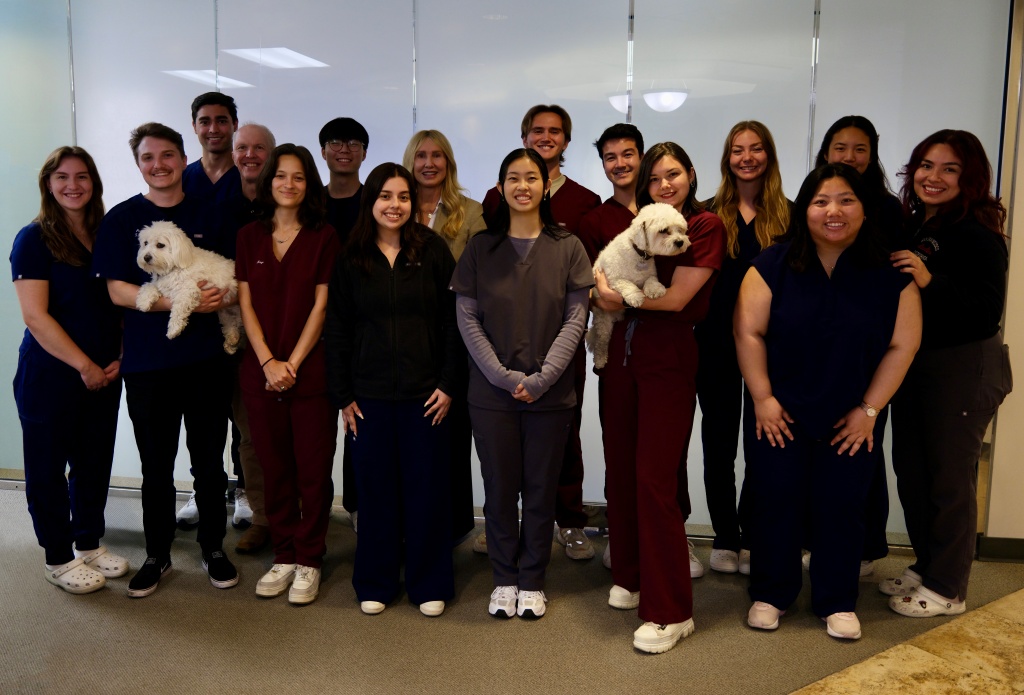
EXCELLENTTrustindex verifies that the original source of the review is Google. As a long time client of Dr. Hubbard's office, I've benefitted from the exceptional care, professionalism, and insight from this practice. Recently, I did TMS and changed my life. While I've always had depression and anxiety, TMS brought clarity and function I hadn't experienced before. It's the difference between living life in black and white, color, and HD.Posted on GoogleTrustindex verifies that the original source of the review is Google. I was at the end of my wits battling my mental health. Having “treatment resistant depression” sounded like I would never be ok at any point in time for the rest of my life. After hitting the proverbial wall with many different medications, I did my own research and found 2 options which were TMS or Spravato (s-ketamine). I opted for the TMS with much skepticism but it was the best decision I ever made. The staff are great. Really supportive and friendly. Dr Wycoff is extremely knowledgeable and thorough during intake. She’s a mental health professional that truly makes you feel seen and heard. You choose this office and you won’t regret it. If you’ve had mental health professionals write your mental health off and overprescribe medications you don’t want or don’t work then it’s about time you find real help with real solutions. When I finally sat with Dr. Wycoff, I knew I was in good hands. It was also really nice to get medication management with in the same office. They’re the best.Posted on GoogleTrustindex verifies that the original source of the review is Google. TMS was a great experience! The staff is amazing, probably the nicest group of people I have ever met in one place! Would definitely recommend!Posted on GoogleTrustindex verifies that the original source of the review is Google. I went here for treatment of depression and anxiety and my results were life changing! I did the TMS treatment and it was the best thing I could have done. The staff is beyond friendly and helpful. Would strongly recommend this to anyone struggling!Posted on GoogleTrustindex verifies that the original source of the review is Google. I came to TMS in a heavy place, being a veteran and military spouse I felt like I just constantly struggled with a heavy cloud I was walking through. Transitions felt so hard and I didn’t feel excited for life as I once was. I did 36 sessions through Tricare and man did it CHANGE my life. TMS helped my sleep improve and just made me resilient. Everything just feels EASIER. Dr wycott was amazing and helped me along the way understanding my brain and my life as a whole. If you’ve been considering accepting more help for depression and anxiety I highly suggest going through TMS at this office and you’ll life will improve and feel easier and happier ❤️Posted on GoogleTrustindex verifies that the original source of the review is Google. This was a great experience, and the staff are all so supportive and friendly!Posted on GoogleTrustindex verifies that the original source of the review is Google. I had an amazing breakthrough experience with Bruce Hubbard’s team. After starting the TMS treatment, I felt improvement in mood towards the middle of therapy. Besides therapy, the support team is amazing, organized and always there to help. It has been 5 months and I still have a full remission, my family notices the difference. I am doing things that I could have not done prior to the treatment. Very positive experience.Posted on GoogleTrustindex verifies that the original source of the review is Google. What an absolute dream my experience was. TMS has absolutely changed my life. It helped me become a better version of myself. I’m a much better partner, friend, and colleague thanks to the absolutely superb folks at the office. In a perfect world I won’t have to come back, but it’s comforting to know that if I need to, I have a fantastic team in my corner ready to help be back up.Posted on GoogleTrustindex verifies that the original source of the review is Google. The entire team at Bruce and Ann’s practice helped me with my depression and anxiety immensely through their TMS therapy. I felt fully supported at every step of the journey and great care was taken for my healing. I recommend this practice to all of my friends and will definitely be back if the need arises.Verified by TrustindexTrustindex verified badge is the Universal Symbol of Trust. Only the greatest companies can get the verified badge who has a review score above 4.5, based on customer reviews over the past 12 months. Read more

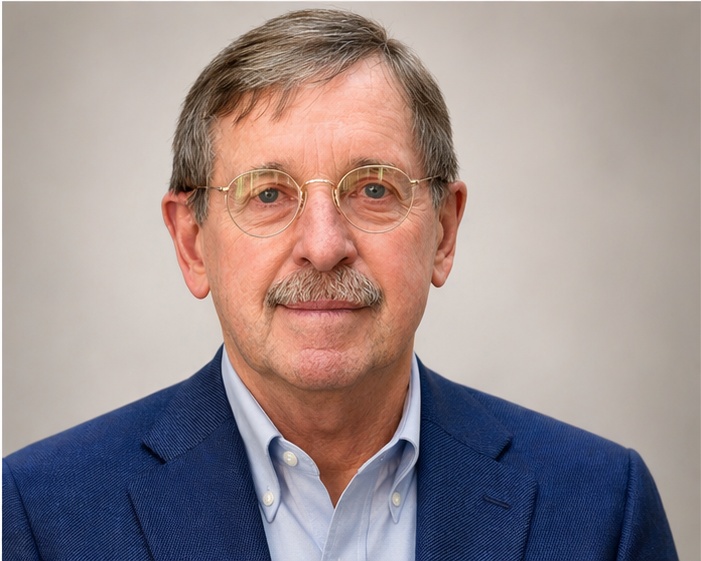
Dr. Hubbard has been practicing psychiatry in San Diego since 1981. He has been helping families from the start, and understands their unique needs. He is an expert in the use of medications, and is a leader in the practice of TMS, having treated over 1500 patients with this advanced treatment.
TMS therapy is well tolerated and has been proven to be safe in clinical trials. The most commonly reported side effects related to treatment were scalp pain or discomfort during treatment sessions. These side effects were generally mild to moderate and occurred less frequently after the first week of treatment.
Our services are covered by most commercial health insurance plans in addition to Medicare and Tricare. Please have your health insurance information at hand when you call to schedule an initial evaluation. Our TMS Coordinator will check your benefits and assist you in requesting prior authorization.
Results have persisted for at least one year for most subjects followed by researchers. Many patients report results lasting several years.
Anyone who is currently depressed may be a candidate for TMS. TMS is especially beneficial for those who have not adequately benefited from antidepressant medications, or who cannot tolerate the side effects of these medications.
The research shows that a small number of patients may experience a mild, dull headache either during or right after treatment. It subsides within an hour or two. We rarely see this side effect but recommend that the patient take Tylenol before treatment if they experience this. We have only seen this side effect in the first week of treatment, and we rarely see it at all. There is only one other “side effect” that we have seen in our experience in administering TMS to over 400 patients. About 50% of patients will experience an “emotional dip” at some time during their treatment. This usually occurs at about the third week and consists of a temporary return to the level of depression they felt when they first started treatment. The “dip” usually lasts for 2-5 days. In rare circumstances it can last up to two weeks. It appears to be correlated with the presence of past trauma. Many patients do not experience a dip at all. It is believed by some experts that when we stimulate the prefrontal cortex, repressed feelings that are stored in that area of the brain are also stimulated, causing those old, painful feelings to surface. If a dip occurs, we watch the patient closely and provide extra support during this period. The patient schedules in-person check-ins with Dr. Wycoff as often as needed. Dr. Wycoff stays in close contact with the technician delivering the daily treatment and with Dr. Hubbard, our psychiatrist. Dr Hubbard will meet with the patient in-person if indicated. When the patient is reminded that this is a normal and expected part of treatment, they tend to relax and feel better. The dip will gradually subside and it is at this point that the effects of TMS tend to gain momentum. An emotional dip is a sign that the treatment is working. Although the “dip” is unpleasant it can be an indicator of a significantly positive result by the end of treatment.
Yes. We do not want the patient to make any substantive changes to their regular medication routine while undergoing TMS. After the patient has completed TMS they can discuss with their provider whether it is appropriate to gradually discontinue medication. Patients should never stop their medication without the supervision of a medical provider, as abrupt discontinuation of an antidepressant may have serious adverse effects.
Yes, TMS treatment is noninvasive and the patient is not sedated or medicated for the treatment. After treatment the patient drives home and continues their normal routine.
TMS is FDA approved for the treatment of depression. There are twelve years of solid, high quality, peer reviewed research supporting TMS. We have treated over 400 patients and have not seen any harmful effects to any of our patients. The majority of patients experience a significant reduction in depression which, according to the research and our own experience, lasts for at least one year but much longer for many.
According to the research and our experience, younger patients tend to get an earlier effect. Patients in their 20’s often feel an effect by the 3rd or 4th treatment which gradually gains momentum. Patients in their 40’s and 50’s typically get an effect after 2-3 weeks. Older patients may not feel an effect until the 4th week of treatment. If a patient only begins to get a solid effect much later in the treatment protocol, we will often ask their insurance to give them ten more treatments. If their insurance denies our request, we will often give ten extra treatments at no charge. We have seen patients benefit significantly from ten more treatments if they only begin to feel a significant effect later in the protocol. Our goal is to pay close attention to each patient’s individual experience and adjust treatment when needed to get each patient the very best result possible.
Yes. Depression and anxiety frequently co-exist. The typical TMS protocol delivers a magnetic pulse to the prefrontal cortex on the top left side of the head typically reduces both depression and anxiety symptoms together. However, some patients are experiencing severe anxiety in addition to depression. For those patients we may treat the top right side of the head in addition to the left side treatment.
TMS has been recommended by the American Psychiatric Association since 2010 and FDA cleared since 2008 for the treatment of major depressive disorder.
TMS is free from common antidepressant drug side effects such as weight gain and sexual dysfunction. TMS is not to be confused with ECT, and does not affect cognitive function such as memory.
TMS is an innovative, non-drug therapy that helps people who struggle with Major Depressive Disorder. It helps activate the natural function of the brain’s neurotransmitters using a non-invasive magnetic field.
Administered in our office without sedation, TMS requires 36 treatments. Each treatment takes approximately 20 minutes and is administered five days per week. Magnetic pulses are used to stimulate specific mood centers of the brain. We also offer another form of TMS, Thetaburst, which requires a 3-minute treatment.
Emergency Notice
This website is not intended for medical emergencies. If you are experiencing a medical or mental health emergency, call 911 or go to the nearest emergency department. If you are having thoughts of harming yourself or others, call or text 988 or seek emergency assistance immediately.